





Build Better Days with Smart Feedback

We’re diving into improving daily habits with feedback loops: simple, repeatable check-ins that turn intentions into steady progress. Expect practical examples, tiny experiments, and compassionate metrics you can actually keep. By the end, you’ll feel equipped to observe, adjust, and celebrate micro-wins every single day.

Designing Loops That Stick

Before tinkering with apps, sketch the loop: cue, action, feedback, and adjustment. Keep it tiny enough to complete even on rough days, yet meaningful enough to notice. We’ll build durability by reducing friction, defining evidence of progress, and closing the loop daily.

Signals, Metrics, and Micro-Wins

Not all numbers matter equally. Leading indicators help you steer today, while lagging indicators confirm outcomes later. By favoring humane metrics—sleep start time over hours, pages opened over chapters finished—you’ll create signals that encourage action rather than shame.

Tools That Nudge You Forward

Tools should remove thinking, not add chores. Pick the lightest system that nudges attention at the right moment. Whether paper, phone, or wearable, the best tool is the one you actually touch when decisions happen and intentions wobble.

Analog Trackers and Habit Cards

Index cards on the fridge beat complicated dashboards because they live where behavior occurs. A morning card can show water, movement, planning, and lights-out time. Physically moving a card feels satisfying, turning feedback into a tactile ritual you crave.

Wearables and Gentle Prompts

Use gentle haptics before loud alarms. A nudge at the end of a meeting reminds you to stand, breathe, or write the next step. Wearables capture passive signals like sleep timing, supporting corrections without demanding constant attention or perfection.

Automation That Handles Boring Checks

If-this-then-that automations can log repeating behaviors, toggle focus modes, and dim lights at target times. Reduce decision fatigue by letting software perform boring confirmations, leaving you to notice patterns, tweak levers, and enjoy evenings without screens shouting for more.

Behavioral Science You Can Use

A few principles explain why loops transform behavior. Immediate rewards teach bodies faster than distant goals; reduced friction beats raw willpower; identity-based stories outlast rules. When we iterate kindly and often, evidence compounds, and confidence becomes part of everyday scaffolding.

Stories From Real Mornings

Stories anchor ideas. These short vignettes highlight small corrections turning into outsized wins. Notice the role of simple measurements, compassionate reviews, and environmental tweaks. Borrow whatever resonates, adapt freely, and share your own experiments so readers learn alongside you.

The Commuter Who Reclaimed Evenings

A frazzled commuter used a two-tick system: open audiobook before keys, stretch for sixty seconds after parking. Those tiny checks softened evenings. Within weeks, patience returned, nightly doomscrolling faded, and weekend projects finally received their long-promised, undivided attention.

The Parent Who Sleeps Better

One parent measured lights-out start, not hours slept. By nudging dinner earlier and dimming lights at nine, the house shifted calmer. Morning snappiness shrank, and the coffee ritual became a celebration rather than a rescue mission from chaos.

The Student Who Learned Faster

A distracted student tracked page openings, not completed chapters. They added a library buddy and a ten-minute timer. Feedback showed that starting by noon doubled total reading. Confidence rose, and assignments stopped ballooning into midnight sprints fueled by panic.
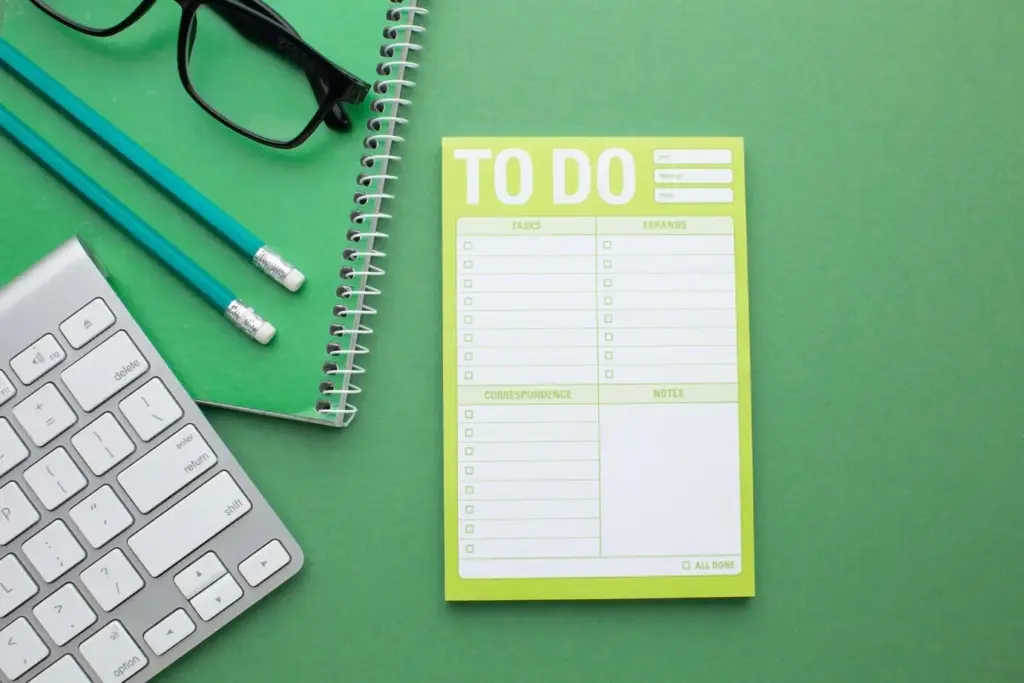
Day 1–2: Observe and Choose One Behavior

Spend two days watching without fixing. Jot cues, contexts, emotions, and energy levels. Pick one behavior that feels meaningful yet small, like starting stretches, filling a water bottle, or opening the planner. Commit to measuring with the gentlest possible signal.

Day 3–5: Iterate with Compassionate Data

Run tiny trials and log only what you did. Tweak time of day, environment, and prompts. When a day collapses, write one sentence about why, without blame. The goal is smoother loops tomorrow, not perfect logs today or heroic streaks.

Day 6–7: Reflect, Share, and Refine

Review the week kindly. Keep what worked, drop what dragged, and adjust the next smallest lever. Comment below with your experiment, subscribe for more practical playbooks, and invite a friend to join, because shared feedback accelerates growth and builds joyful accountability.

Kavefalufemaxolitone
Privacy Overview

This website uses cookies so that we can provide you with the best user experience possible. Cookie information is stored in your browser and performs functions such as recognising you when you return to our website and helping our team to understand which sections of the website you find most interesting and useful.